HERS Rating & Title 24 Verification · Los Angeles

Pass your Title 24 inspection
the first time.

Certified HERS testing for HVAC contractors, builders and homeowners across Los Angeles County. Duct leakage, airflow, refrigerant charge and QII, tested on site and registered with CHEERS so your permit closes.

  • Certified HERS Rater, CHEERS registered
  • Same-week scheduling across most of LA County
  • Report and registry documents sent the same day
Sample result
Duct leakage to outside3.4%
Title 24 maximum6.0%
PASS

Every job ends with a written report like this, plus the registered HERS certificate your city inspector asks for.

Title 24Energy code compliance
CHEERS RegisteredSigned, filed certificates
Residential & Light CommercialNew builds, remodels, change-outs
Los Angeles Countyand surrounding areas

What we test

Field diagnostics and code verification, run with calibrated equipment and documented to the standard your inspector expects.

01

HVAC Diagnostics & Verification

  • Duct Leakage Testing — Duct Blaster testing at rough-in and final to locate leaks and confirm the system meets Title 24 limits.
  • Airflow Verification — CFM measured with a flow hood or TrueFlow grid to confirm the system moves the air it is supposed to.
  • Fan Watt Efficacy — Blower motor draw measured in watts per CFM.
  • Refrigerant Charge Verification — Temperatures and pressures checked so the system is charged to spec and not wasting power.
  • Static Pressure Analysis — Airflow resistance measured and duct sizing diagnosed.
  • Superheat & Subcooling Verification — The charge checked the way the manufacturer specifies it, dialed in rather than guessed at.
  • Fan Wattage Verification — Total system watt draw measured, not read off a nameplate.
02

Building Envelope & Insulation

  • Quality Insulation Installation (QII) — On-site inspection confirming wall, ceiling and floor insulation went in without gaps, voids or compression.
  • Fenestration Verification — New windows and glass doors checked against the U-factor and SHGC the plans call for.
  • Kitchen Hood & Water Heater Verification — Ventilation and water heating checked against the code requirements that apply to the permit.

QII has to be inspected in stages, while the framing is still open. Call before the drywall goes up.

03

Compliance & Registry Reporting

  • Official HERS forms — CHEERS certificates issued and signed, the documents city inspectors require to close a permit.
  • Residential and light commercial — Single family homes, remodels, new construction and small commercial buildings.
04

Diagnostic Consulting

  • Comfort and efficiency problems — Rooms that run hot or cold, indoor air quality complaints, electric bills that do not add up.
  • Contractor support — On-site guidance before and after installation so the system passes inspection on the first visit.

Who we work with

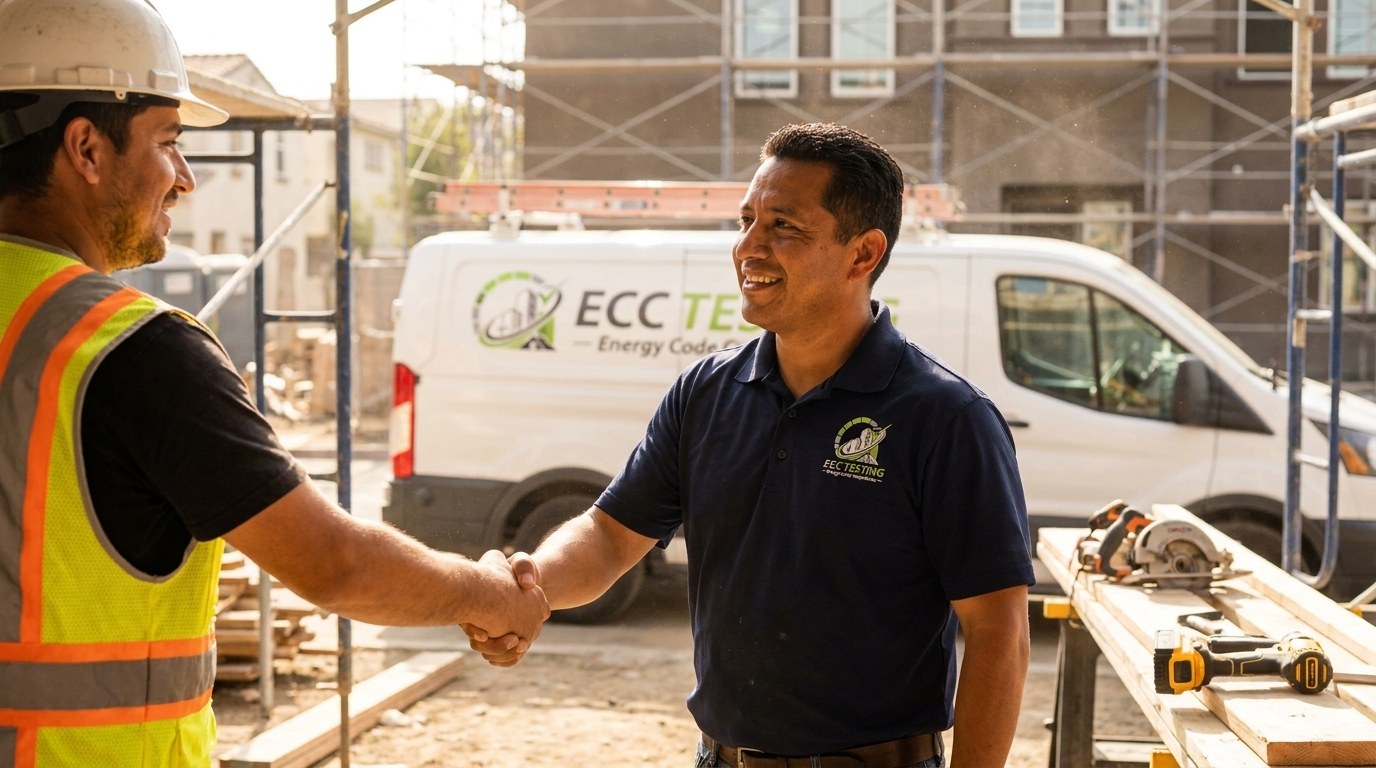
ECC Testing technician shaking hands with a general contractor on site

HVAC Contractors

A failed HERS test means a return trip, a delayed permit and an unhappy customer. We test early, tell you exactly what is out of range, and retest once you have fixed it.

Technician setting up duct leakage testing equipment in a house under construction

Builders & General Contractors

Rough duct, QII and final testing scheduled around your build, so verification never becomes the thing holding up the certificate of occupancy.

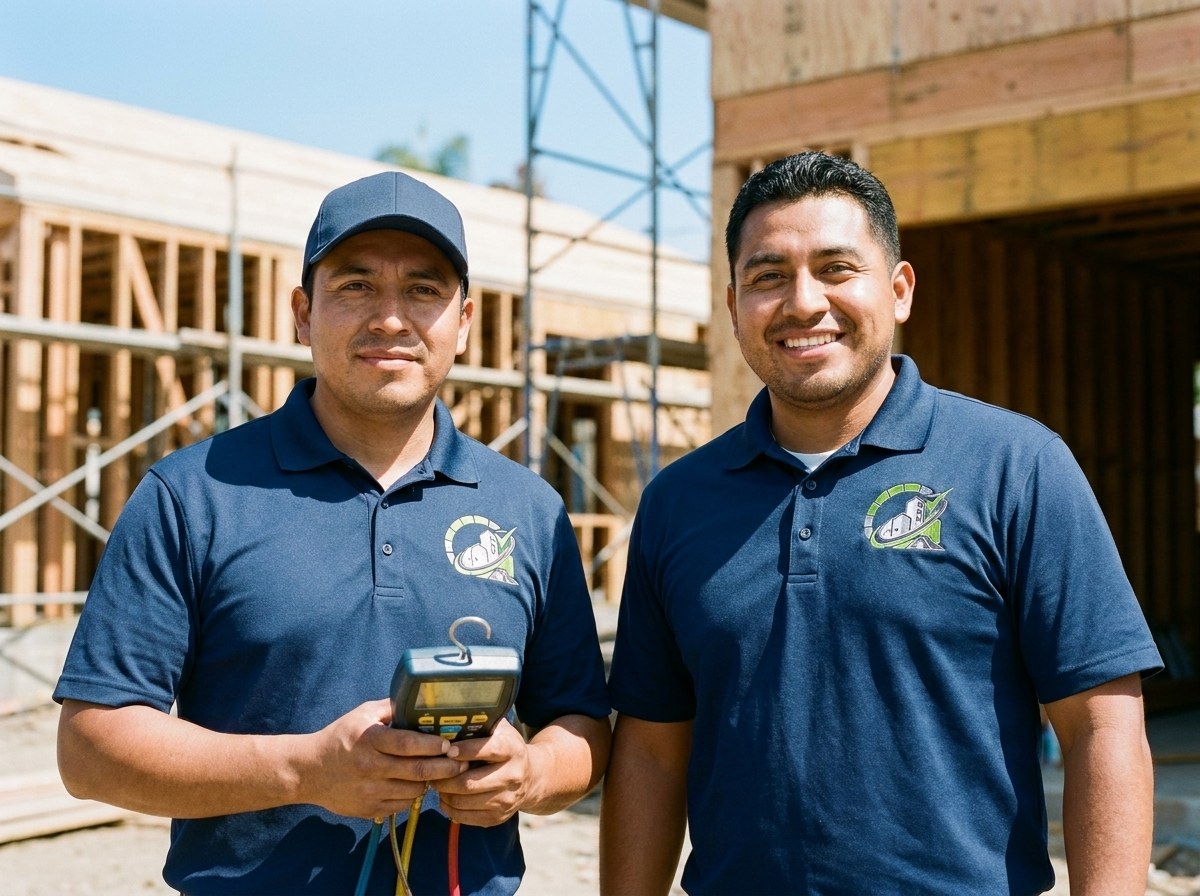
Two ECC Testing technicians arriving at a residential job

Homeowners

Replacing a furnace or air conditioner in California triggers HERS verification. We handle the testing and the paperwork so your permit closes cleanly.

On the job

Real testing, on real sites across Los Angeles.

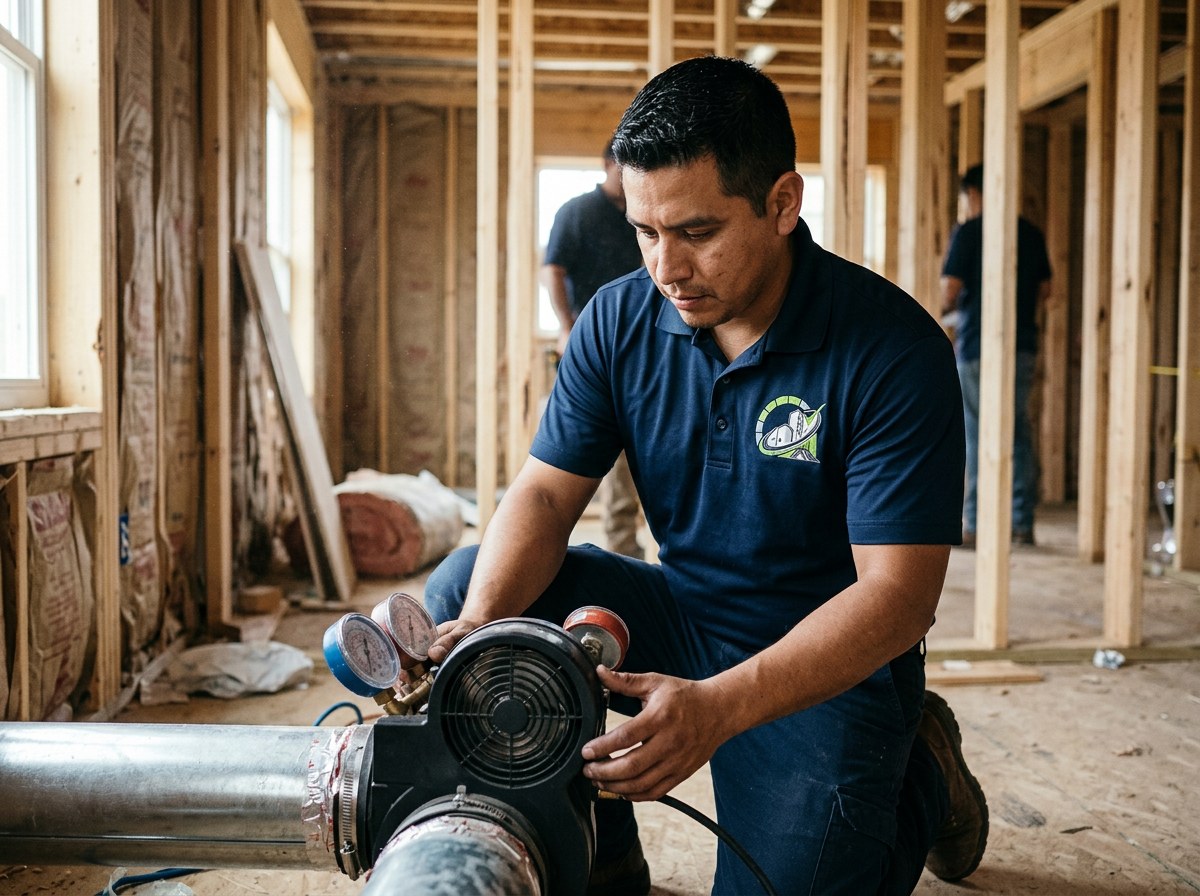
HERS rater connecting a duct blaster to the supply plenum during rough-in testing
Duct blaster connected at rough-in, before the drywall closes the system up.
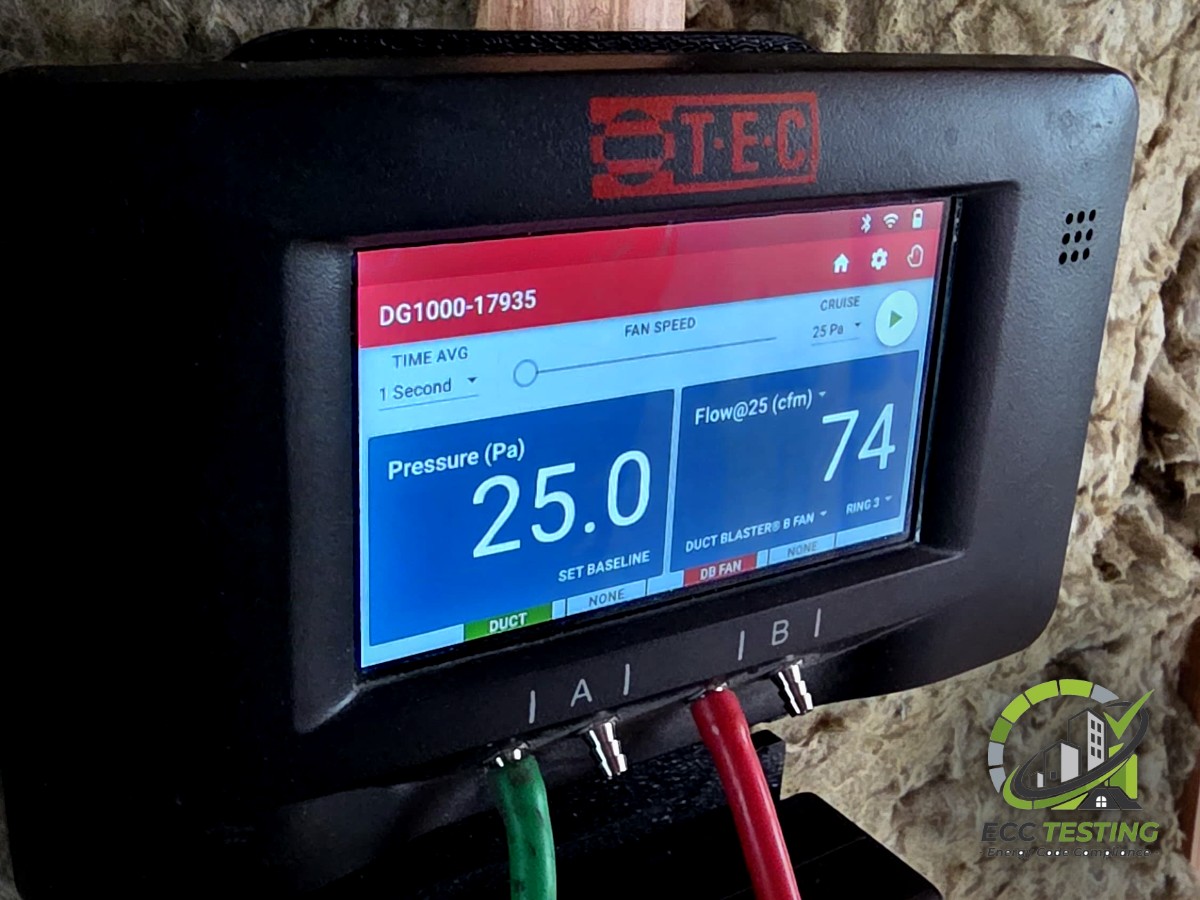
Digital manometer showing 25 Pa test pressure and 74 CFM duct leakage
Measured, not estimated. 74 CFM at the 25 Pa test pressure.
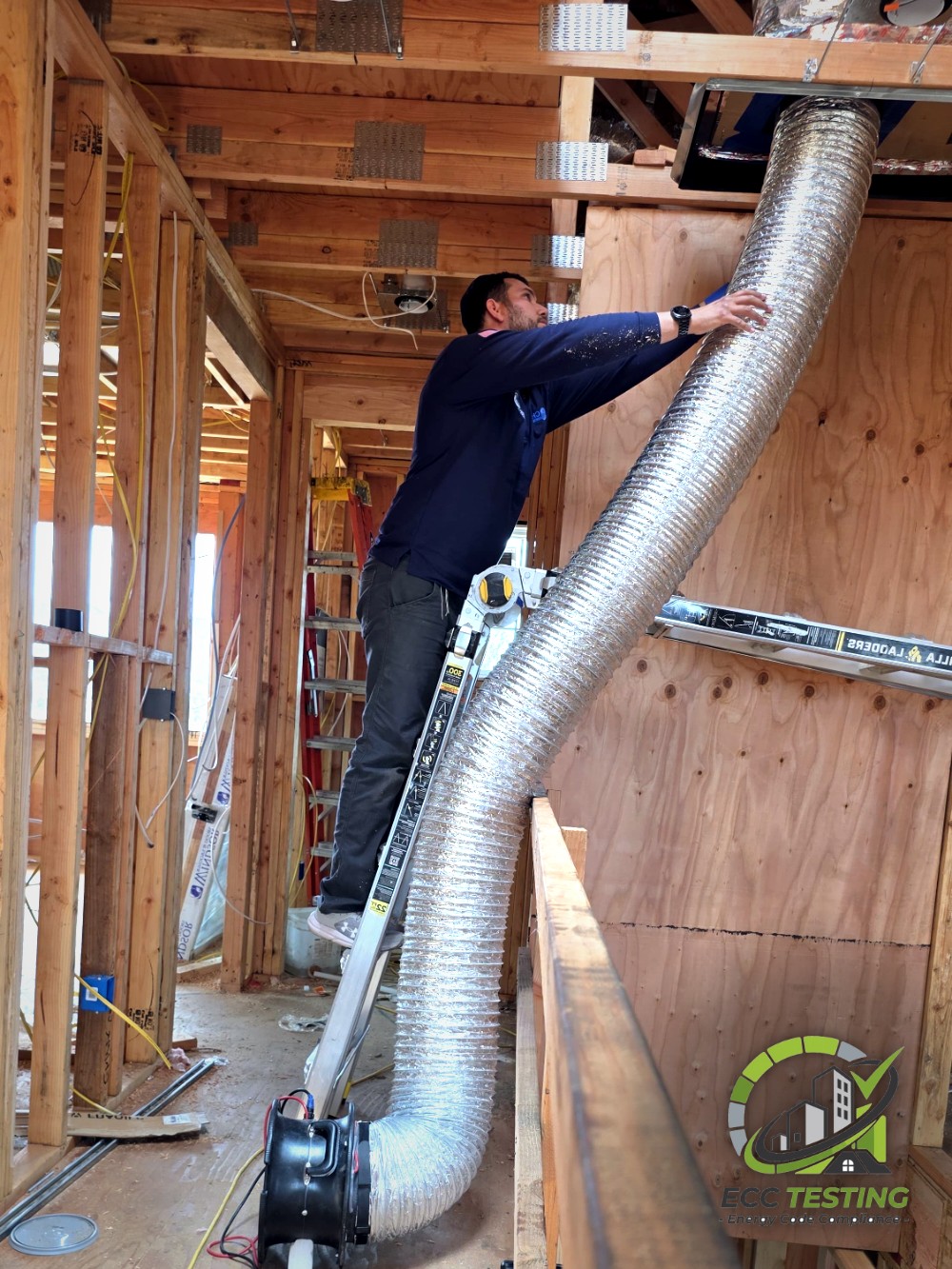
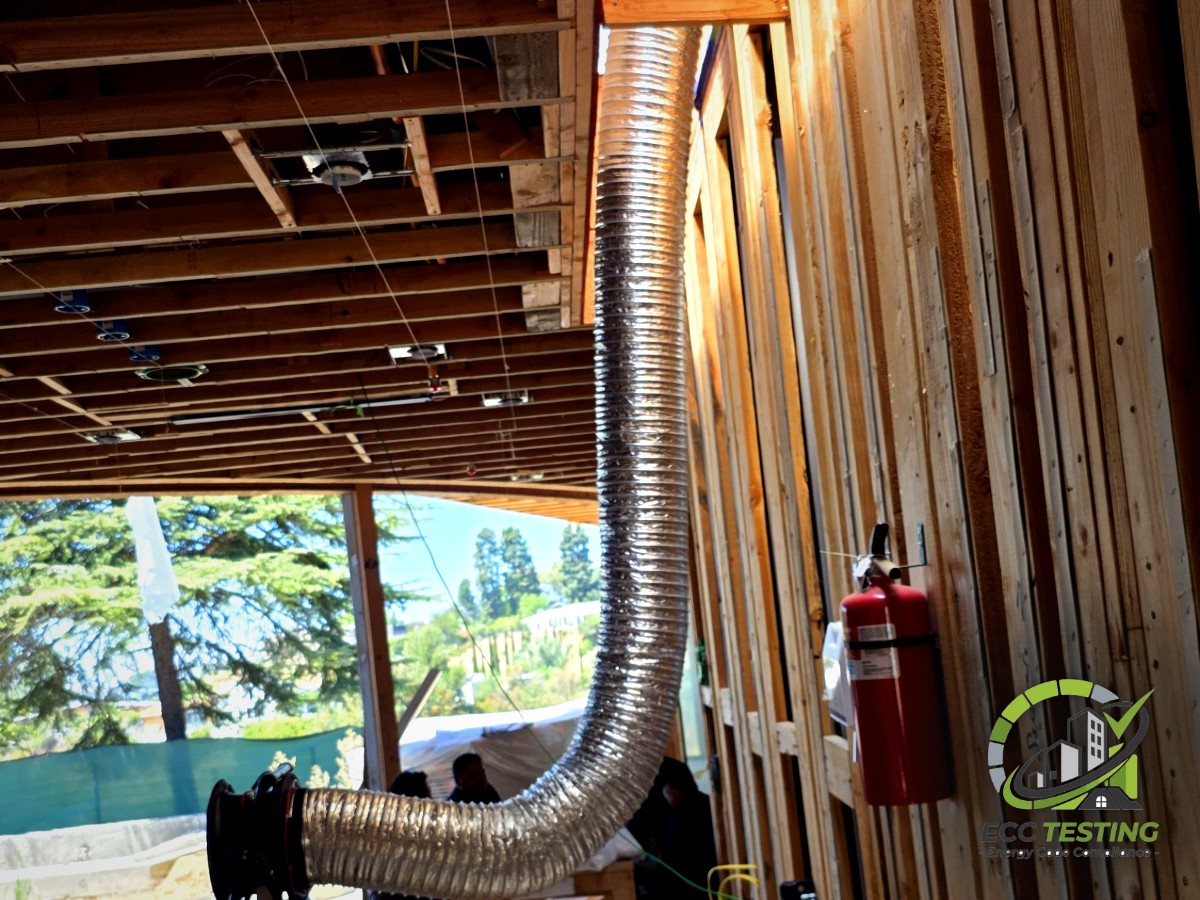
Flexible test duct running through open framing on a new construction site
New construction, tested while the framing is still open.
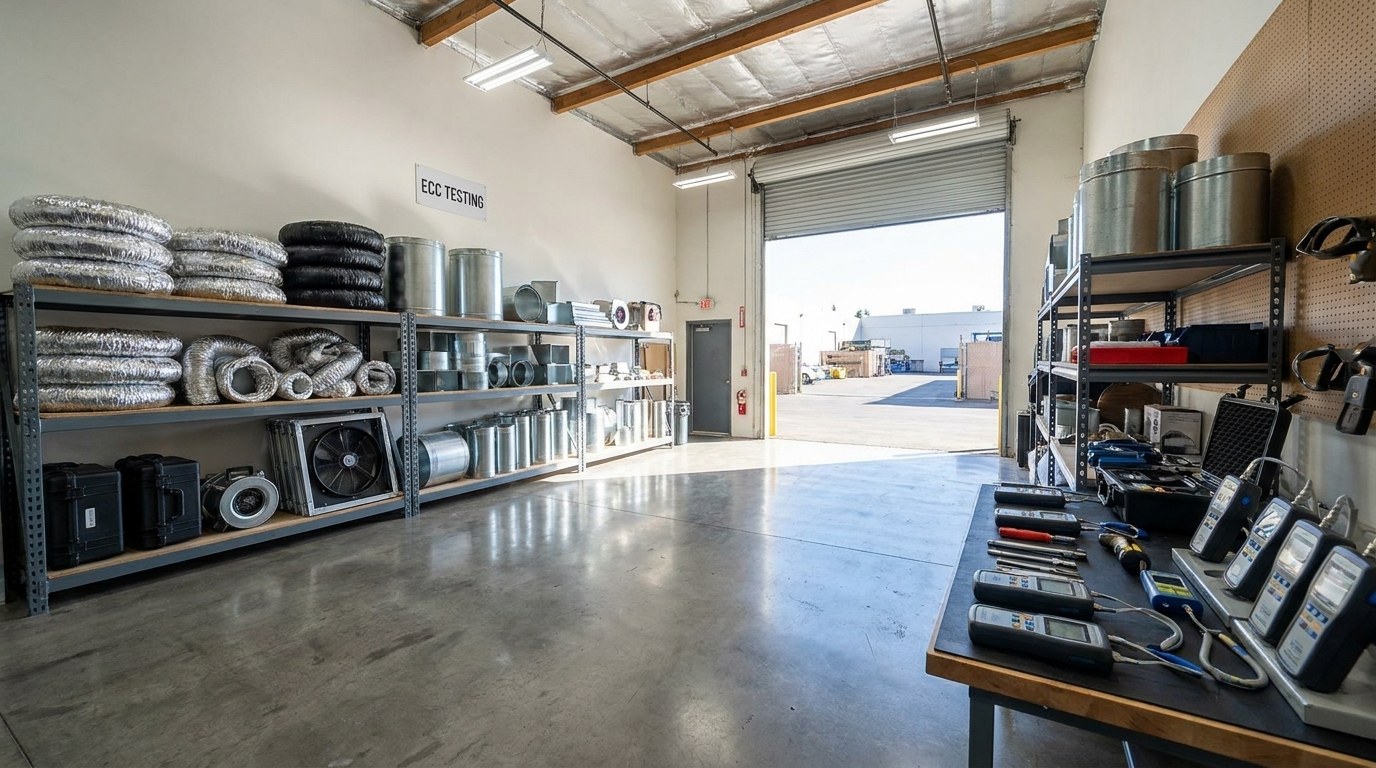
ECC Testing workshop with racks of flexible duct and calibrated test equipment
Our shop. Calibrated equipment, checked and loaded before every job.

What a duct leakage test looks like

Twenty seconds from a rooftop system in Los Angeles.

The duct blaster pressurises the system to 25 Pascals and holds it there.

Whatever air the fan has to keep pushing in is the air leaking out of the ducts. That number, in CFM, is what Title 24 puts a limit on, and it is what the whole test comes down to.

Everything gets sealed off first, the boots taped, the register covered. Then the gauge reads the flow at test pressure and we know within minutes whether the system passes.

No estimates and no guesswork. You get the measured number, the code limit next to it, and a straight answer about whether it passed.

When California requires a HERS test

If your permit lists HERS measures, an independent rater has to verify them before the building department will sign off. These are the jobs that trigger it most often.

  1. 01
    You replaced a furnace, air conditioner or heat pumpAlmost every change-out in California triggers duct leakage and refrigerant charge verification.
  2. 02
    You installed or extended ductworkNew ducts, replaced ducts, or more than forty feet of new duct all bring the system into scope.
  3. 03
    You are building newNew construction carries the full set: rough duct, QII while the framing is open, and final verification.
  4. 04
    You did a major alteration or additionAdding conditioned space, or altering the envelope, usually pulls in fenestration and insulation verification.
  5. 05
    Your plans show QIIQuality Insulation Installation has to be inspected in stages. Miss the window and the drywall comes back off.
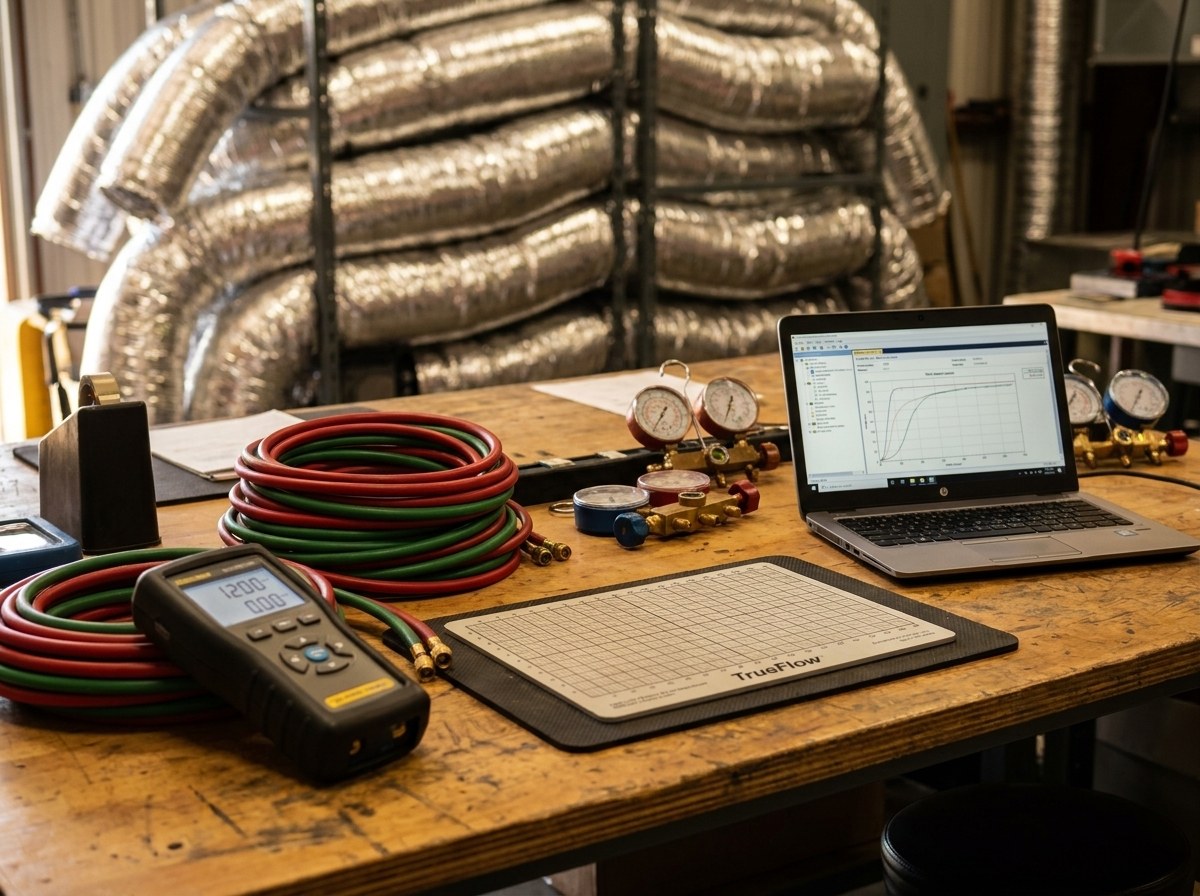
Calibrated manometers, pressure hoses and test equipment on a workbench

Questions we get asked

How soon can you come out?

Usually within the same week, and often sooner for a job that is holding up an inspection. Call or text 310-867-5591 with the address and we will tell you straight away what we can do.

What happens if the system fails the test?

You hear it from us on site, not three days later in an email. We tell you which number missed and by how much, you or your installer make the correction, and we come back and retest. Nothing gets registered until it passes.

Do I need to be there during the test?

Someone needs to let us in and the system needs to be running and accessible. Beyond that, no. Most contractors hand us a lockbox code and get on with their day.

How long does a duct leakage test take?

A single system is usually under an hour on site. Larger houses with several systems, or a job that also needs airflow, refrigerant charge and QII, take longer. We will give you a realistic window when we book it.

When do I get the paperwork?

The same day. You get the written report plus the signed CHEERS certificate, filed to the registry, which is the document your city inspector is actually looking for.

What is the difference between rough and final testing?

Rough testing happens while the ducts are exposed, so leaks can still be reached and sealed cheaply. Final testing happens once the system is complete and running. New construction generally needs both. Doing the rough test is what keeps a failed final from turning into demolition.

Do you work with commercial buildings?

Yes, light commercial alongside residential. Single family homes, remodels, new construction and smaller commercial buildings across LA County.

How it works

  1. 1Tell us about the job

    Address, what was installed or built, and where you are in the permit process. Two minutes by phone or chat.

  2. 2We schedule around your build

    Rough-in and QII while the framing is open, final testing once the system is running.

  3. 3Testing on site

    Calibrated equipment, measured results, and a straight answer on the spot about whether it passed.

  4. 4Report and registration

    Written report plus the signed CHEERS certificate, sent the same day and filed to the registry.

Why contractors keep calling us back

We tell you before you fail

If a duct system is going to miss the limit, you hear it while we are still on site, not in a report three days later.

Paperwork inspectors accept

Registered certificates, correct forms, filed properly. No back and forth with the building department.

We show up when we say

Scheduling that fits a real construction calendar, not a four hour window that wastes your crew's morning.

Plain answers

You get told what the number is, what the code allows, and what to change. No jargon and no hedging.

Service area

Based in Los Angeles, working across LA County and the surrounding areas.

Not on the list? Ask, we travel for the right job.

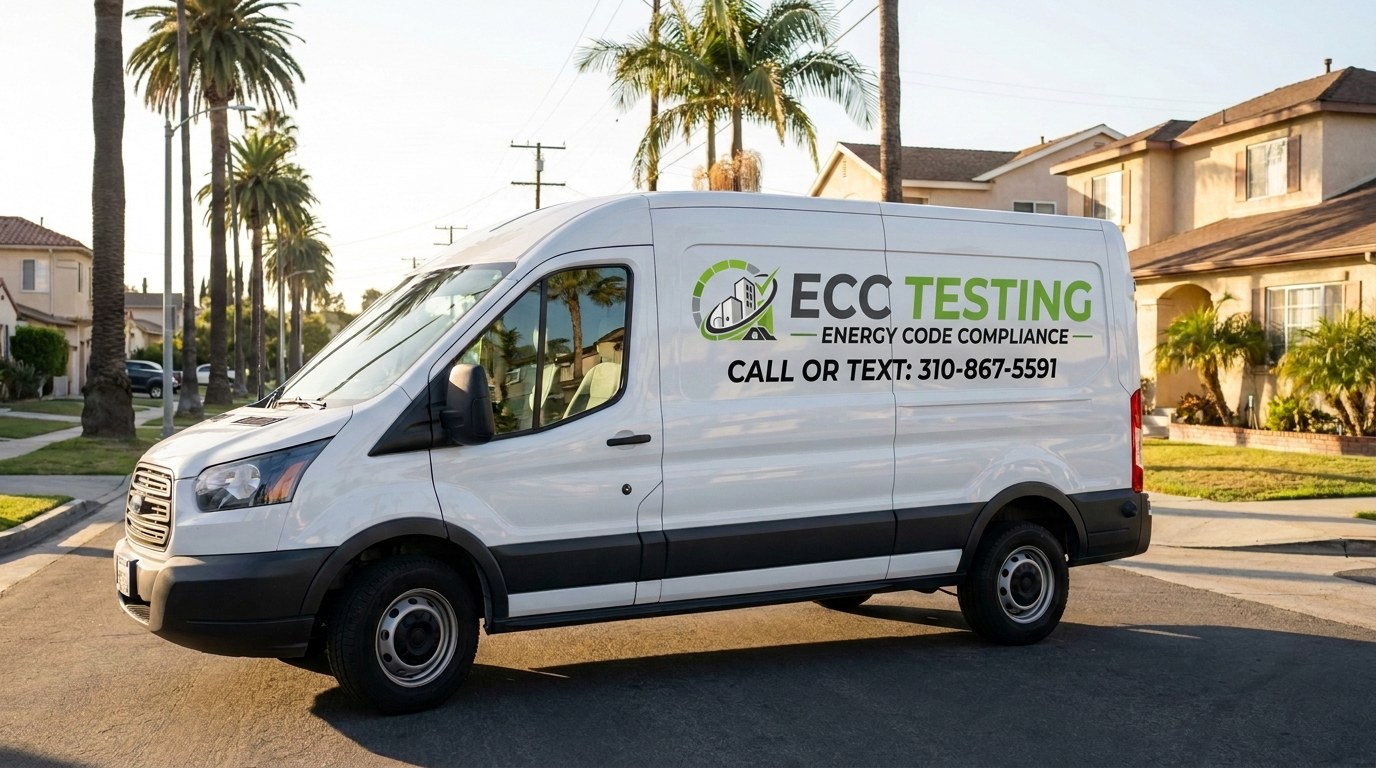
ECC Testing work van parked on a Los Angeles residential street
We come to you, anywhere in LA County. Call or text 310-867-5591 and we will find a slot that fits your build.

Need a HERS test scheduled?

Call or text and tell us the address and where you are in the permit process. We will come back to you with a time and a price.

Or use the chat in the corner. It takes your details and we call you back.

Still to fill in: CHEERS rater number